Understanding Experienced Railroad Cancer Lawsuit Settlements
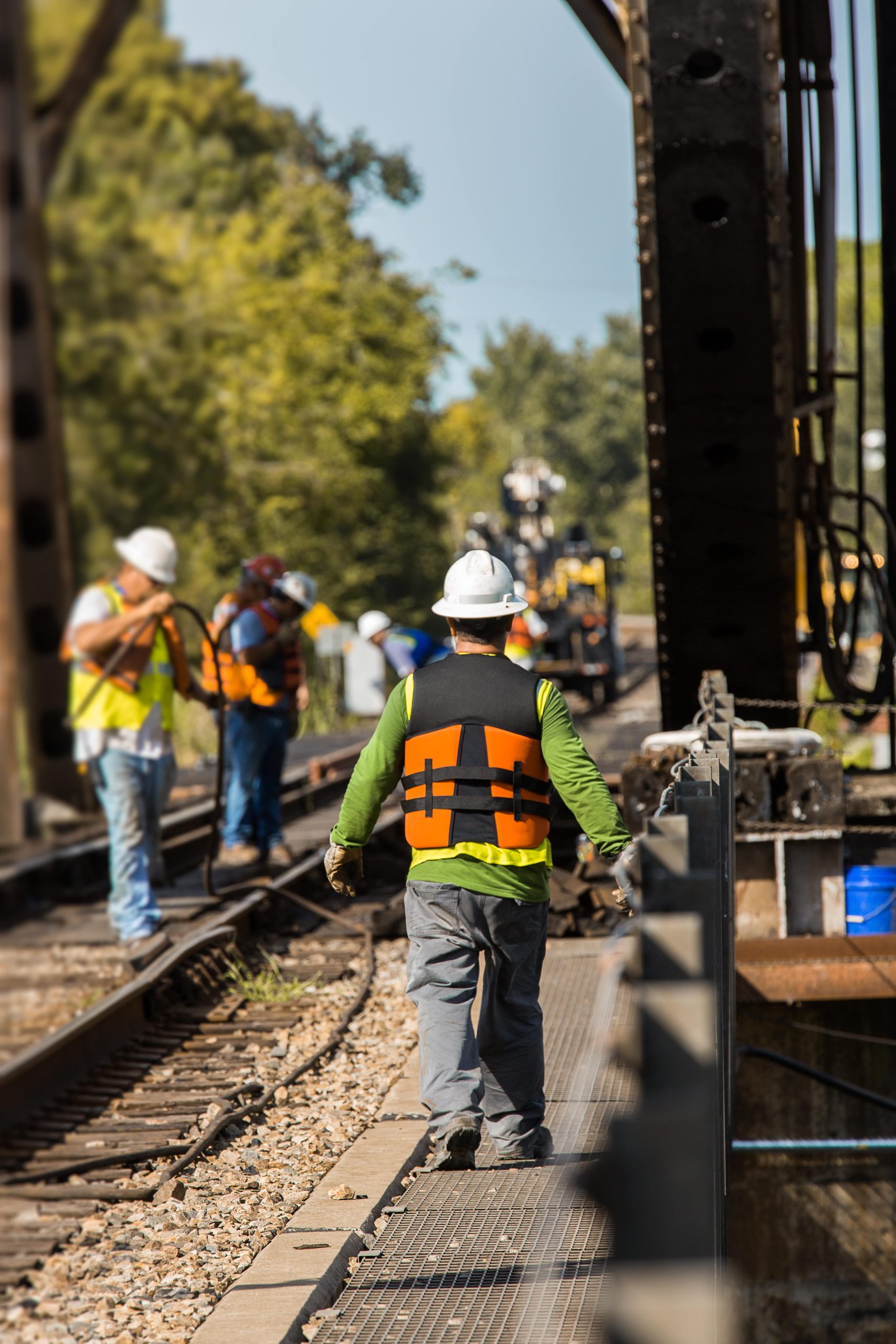
In the United States, railroad workers deal with an unique set of risks and difficulties in their profession. From Google Sites to hazardous products to long hours in demanding conditions, the task positions numerous health risks, especially when it comes to specific cancers. Many of these workers have taken legal action through railroad cancer lawsuits, seeking justice for the damage triggered by their employers' neglect. This post will look into the nature of these lawsuits, the aspects affecting settlements, and some frequently asked concerns concerning the process and outcomes.
Overview of Railroad Cancer Lawsuits
Railroad cancer lawsuits normally originate from accusations that employers have actually failed to supply safe working conditions, leading to harmful exposure to toxic compounds like asbestos, benzene, and diesel exhaust. Such exposure has been connected to different kinds of cancer, consisting of lung cancer, bladder cancer, and leukemia.
Common Types of Cancers Linked to Railroad Work
| Cancer Type | Associated Chemicals |
|---|---|
| Lung Cancer | Diesel exhaust, asbestos |
| Bladder Cancer | Benzene, aniline dyes |
| Leukemia | Benzene |
| Mesothelioma | Asbestos |
| Non-Hodgkin Lymphoma | Herbicides (e.g., Agent Orange) |
The Family and Medical Leave Act (FMLA) and employee's compensation claims might not completely cover the damages that these workers face, leading numerous to pursue lawsuits versus the railways. Settlements can differ substantially based upon numerous aspects as laid out in the following areas.
Aspects Affecting Settlement Amounts
Several elements influence the amount of compensation awarded in railroad cancer lawsuits:
- Severity of Illness: The phase of cancer and the level of physical suffering can considerably affect compensation. More aggressive cancers generally cause greater settlements.
- Documentation and Evidence: Clear documentation of the exposure, medical diagnosis, medical records, and historical data connected to the railroad's safety practices can affect the outcome.
- Durability of Employment: Long-term workers may have more considerable claims due to extended exposure to dangerous products.
- Loss of Income: The financial effect of missing work, including future lost earnings, is an important aspect in computing settlements.
- Emotional Distress: Compensation for pain and suffering may also be awarded, factoring in the psychological and mental stresses associated with a cancer medical diagnosis.
Settlement Ranges
Below is a general table highlighting the potential settlement varies based on cancer types and associated aspects:
| Cancer Type | Typical Settlement Range |
|---|---|
| Lung Cancer | ₤ 200,000 - ₤ 1,500,000 |
| Bladder Cancer | ₤ 150,000 - ₤ 1,200,000 |
| Leukemia | ₤ 250,000 - ₤ 1,800,000 |
| Mesothelioma | ₤ 500,000 - ₤ 5,000,000 |
| Non-Hodgkin Lymphoma | ₤ 200,000 - ₤ 2,000,000 |
While these quantities are generalized, particular cases might yield various results based upon the factors detailed above.
Legal Process in Railroad Cancer Lawsuits
Navigating a railroad cancer lawsuit can be complicated. Here are the important actions associated with the legal process:
- Consultation with an Attorney: A specialized attorney in railroad injury law will assess the case, evaluation medical records, and identify the credibility of the claim.
- Filing the Lawsuit: If the attorney deems the claim valid, a formal lawsuit will be submitted in the appropriate jurisdiction.
- Discovery: Both celebrations will exchange evidence, which might include medical records, employment history, and event reports.
- Negotiation and Settlement: Many lawsuits settle before reaching trial through settlements. If settlements fail, the case may proceed to trial.
- Trial: In some instances, the case is chosen in court, where both sides present their proof to a judge or jury.
- Appeal: If either side is disappointed with the decision, they might have the option to appeal.
Frequently Asked Questions (FAQ)
What should a railroad employee do if they presume their cancer is triggered by their job?
If a railroad worker believes their cancer is occupational, they ought to consult with a specialized attorney to discuss their situation. Gathering medical records and documentation of work history is crucial.
For how long do I have to file a railroad cancer lawsuit?
The statute of constraints differs by state and can range from one to several years. It is suggested to file as soon as possible after a diagnosis or discovery of potential exposure.
Can I still pursue a lawsuit if my employer is no longer in company?
Sometimes, it may still be possible to pursue a lawsuit versus a defunct employer if they had liability insurance coverage or if a successor entity assumes duty.
Will I need to go to court?
Lots of cases settle out of court, however if a fair settlement can not be reached, a trial may end up being needed.
How are settlements paid?
Settlements might be paid in a lump sum or through structured payments over a set period, depending upon the worked out terms.
Railroad cancer lawsuits serve as a crucial ways for workers to seek justice and compensation for the long-lasting consequences of occupational hazards. Experienced legal representation can help navigate the complexities of such claims, ensuring that affected workers receive the support they deserve. If you or someone you understand is contemplating legal action, reaching out to a well-informed attorney is the primary step towards comprehending their rights and looking for suitable compensation.